Signs Your Cat Is Stressed —
and how to help them relax
Stress in cats is often subtle until it isn't. Here's how to recognize the physical and behavioral signs, what usually causes them, and how to help your cat settle back into feeling safe.
- Physical signs: over-grooming, appetite changes, hiding, litter box avoidance.
- Behavioral signs: vocalization, aggression, excessive sleeping or restlessness.
- Common triggers: new pets or people, moves, loud noises, routine changes.
- Calming tools: consistent routine, safe hiding spaces, PEMF relaxation mats.
- Persistent stress can affect immune health — mention it to your vet if it doesn't ease.

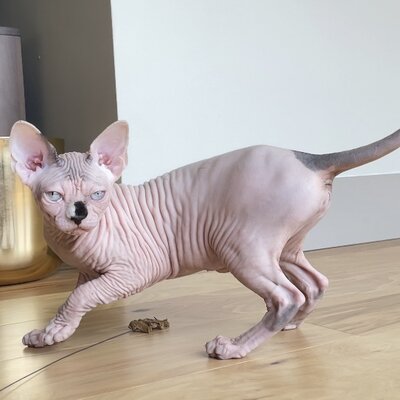
Physical Signs of Stress
Stress in cats often shows up in the body before it shows up in behavior. Watch for over-grooming or bald patches (especially on the belly or legs), sudden appetite changes, digestive upset, and excessive shedding. Hiding more than usual and avoiding the litter box are also common physical/behavioral overlaps worth noting.
Behavioral Signs of Stress
Look for increased vocalization, new aggression or irritability, unusual clinginess or, conversely, withdrawal, restlessness, or excessive sleeping beyond a cat's normal pattern. Some cats become destructive; others simply seem "flat" and disengaged.
Common Causes of Feline Stress
The most frequent triggers I see are: a new pet or person in the home, moving or renovation, loud or unfamiliar noises, changes in routine or schedule, boredom and lack of enrichment, and conflict with other household cats. Cats are highly sensitive to routine — even small, seemingly minor changes can register as significant.
How to Help Your Cat Relax
Consistency is the biggest lever you have: feed, play, and interact on a predictable schedule. Provide safe, elevated hiding spots where your cat can retreat and observe without feeling exposed. Pheromone diffusers can help some cats. For deeper physical relaxation and recovery support, I personally use a PEMF therapy mat with my own cats — it's one of the gentlest tools I've found for helping an anxious or recovering cat settle. For a broader look at creating a calmer shared home, see Relax with Your Pets.
When Stress Signals a Bigger Health Issue
Stress and physical illness can look nearly identical — and often occur together. If stress-like symptoms persist beyond a couple of weeks, worsen, or come with vomiting, diarrhea, blood in urine, or noticeable weight loss, see your veterinarian promptly. Chronic stress can also suppress immune function, so addressing it isn't just about comfort — it's part of overall health.
❓ Frequently Asked Questions
Can stress make cats physically ill?
Yes. Chronic stress can contribute to digestive upset, skin and coat issues, and suppressed immune function, and is a well-documented trigger for feline idiopathic cystitis (stress-related bladder inflammation).
How long does it take a cat to adjust to change?
It varies widely by cat and situation, from a few days to several weeks. Consistency, patience, and giving your cat control over their own pace (rather than forcing interaction) tends to speed adjustment.
Do calming products like pheromone diffusers actually work?
Many cats respond well to synthetic pheromone products, though individual results vary. They're generally considered a safe, low-risk tool to try alongside other stress-reduction strategies.
Should I see a vet if my cat seems stressed?
If stress signs are mild and tied to an obvious, recent change, some at-home adjustment is reasonable. If symptoms are severe, persistent beyond two weeks, or include physical symptoms like vomiting or litter box avoidance, see your vet — stress and illness can look alike and sometimes occur together.
What's the fastest way to calm an anxious cat?
There's rarely an instant fix, but a predictable routine, a safe retreat space, reduced sudden noise or handling, and gentle tools like PEMF therapy or pheromone diffusers tend to help most cats settle within days to a couple of weeks.
📚 Related Reading
Still have questions about your cat?
Book a free 15-minute initial consultation — we'll talk through your cat's specific needs.