Cat Supplements 101 —
what actually helps
Not every supplement on the shelf is worth your money — or safe to combine. Here's a clear-eyed breakdown of what genuinely helps, what needs a vet's input, and what to skip.
- Taurine and calcium matter most for home-cooked or raw diets.
- Omega-3s commonly support skin, coat, and joint health.
- Transfer factors and probiotics are worth discussing with your vet first.
- Vague "wellness blends" with no clear purpose are often a waste of money.
- More isn't better — over-supplementing can cause real harm.

Supplements With Solid Reasoning Behind Them
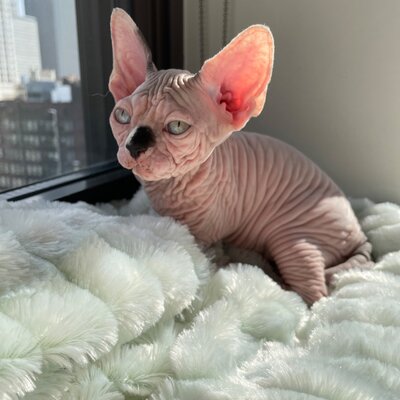
Taurine and calcium matter most for home-cooked or raw diets, since cooked or boneless meat alone doesn't provide enough of either — deficiency here has well-documented, serious consequences. Omega-3 fatty acids are commonly used to support skin, coat, and joint health, particularly relevant for Sphynx cats. Multivitamin/mineral blends formulated specifically for home-prepared diets, like the one I use and reference on my Raw Diet page, help close remaining nutritional gaps.
Supplements Worth Discussing With Your Vet First
Transfer factors are studied for immune-modulating properties — see the research I reference on my Transfer Factors page. Probiotics can support digestive and immune health for some cats, particularly after antibiotic use or during diet transitions. Joint supplements like glucosamine may help mobility in older cats, though evidence in cats specifically is more limited than in dogs.
Supplements That Are Often a Waste of Money
Be skeptical of vague "wellness blends" with long, unspecific ingredient lists and no clear rationale for each component, and of any supplement marketed to "detox" or "boost energy" without addressing an actual identified need. More isn't automatically better — unnecessary supplementation can sometimes do more harm than good, especially with fat-soluble vitamins that can accumulate to toxic levels.
A Simple Framework for Deciding
Before adding any supplement, ask: what specific need is this addressing? Is there some level of evidence or established reasoning behind it? Have I checked with my veterinarian, especially if my cat has an existing condition or takes medication? If you can't answer these clearly, it's worth pausing rather than adding another product to the bowl.
❓ Frequently Asked Questions
What supplements does my cat actually need?
It depends on the diet. Cats on a complete commercial diet usually need none. Cats on home-cooked or raw diets typically need taurine, calcium, and a balanced multivitamin/mineral blend to avoid deficiencies.
Are omega-3 supplements worth it for cats?
Many owners find them helpful for skin, coat, and joint health, and they're generally considered safe at appropriate doses — a reasonable, low-risk addition for most cats.
Can too many supplements hurt my cat?
Yes. Over-supplementing, especially with fat-soluble vitamins, can lead to toxicity. More is not automatically better — supplement with a clear purpose, not by default.
Should I ask my vet before giving my cat supplements?
Yes, especially for cats with existing health conditions or on medication, since some supplements can interact with treatments or aren't appropriate for every cat.
How do I know if a supplement is a waste of money?
Be wary of vague marketing claims, long unspecific ingredient lists, and products with no clear stated purpose. A good supplement addresses a specific, identifiable nutritional need.
📚 Related Reading
Still have questions about your cat?
Book a free 15-minute initial consultation — we'll talk through your cat's specific needs.