
Senior Cat Care —
a holistic guide to aging well
Aging brings real changes in nutrition, mobility, and behavior. Here's how to support a senior cat holistically, and what changes actually warrant a vet visit.
- Cats are generally considered senior around age 10–11.
- Increase vet checkups to twice yearly for early detection.
- Nutrition needs often shift with age — tailor individually.
- PEMF therapy and easy access to favorite spots support mobility.
- New behavioral changes deserve a vet visit, not just an 'aging' assumption.

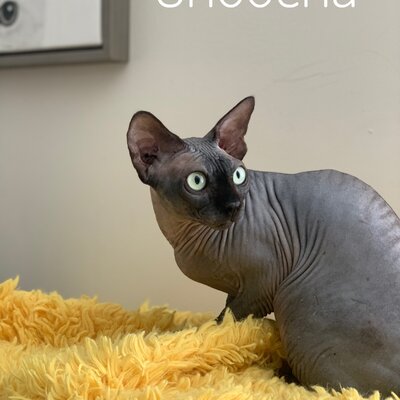
When Is a Cat Considered "Senior"?
Most cats are considered senior starting around age 10–11, though individual aging varies by genetics and lifelong health. This is a good point to increase the frequency of veterinary checkups, typically to twice a year, to catch age-related changes early.
Nutrition for Aging Cats
Senior cats often need adjusted calorie intake and can benefit from easily digestible, nutrient-dense meals. Some develop reduced kidney function with age, which can shift protein and phosphorus needs — this is exactly the kind of thing worth discussing in a consultation or with your vet, rather than assuming a one-size-fits-all senior diet.
Comfort & Mobility
Joint stiffness becomes more common with age. Non-invasive options like PEMF therapy can support comfort and mobility, and simple environmental changes — ramps or steps to favorite perches, easily accessible litter boxes — make a real difference in daily quality of life.
Cognitive & Behavioral Changes
Some senior cats show signs of cognitive decline: increased vocalization (especially at night), confusion, or changes in litter box habits. These can also signal treatable medical issues, so any new behavioral change in a senior cat deserves a vet visit rather than being written off as "just old age."
Keeping Stress Low
Senior cats often tolerate change and stress less easily than younger cats. A calm, predictable routine and safe, comfortable resting spots matter even more at this stage — see Signs Your Cat Is Stressed for ways to support a calmer environment.
❓ Frequently Asked Questions
At what age is a cat considered senior?
Typically around 10 to 11 years old, though individual aging varies. This is a good time to increase veterinary checkups to twice yearly.
Do senior cats need a different diet?
Often yes — adjusted calories and sometimes different protein or phosphorus levels, especially if kidney function has declined. This is worth tailoring individually rather than assuming one senior formula fits all.
Is it normal for senior cats to vocalize more at night?
It can happen with normal aging, but increased nighttime vocalization can also signal cognitive decline, pain, or a treatable medical issue — worth mentioning to your vet.
Can PEMF therapy help an older cat's joints?
Many owners find it helpful for joint comfort and mobility support in senior cats, as a gentle, non-invasive complement to veterinary care.
How often should senior cats see the vet?
Generally twice a year, versus once a year for younger adult cats, to catch age-related changes earlier.
📚 Related Reading
Still have questions about your cat?
Book a free 15-minute initial consultation — we'll talk through your cat's specific needs.